
About Us
The California Hub & Spoke System (H&SS) Program is funded by the California Department of Health Care Services (DHCS) State Opioid Response (SOR) IV grant program. This grant was provided to DHCS by the U.S. Substance Abuse and Mental Health Services Administration (SAMHSA).
This grant supports the state in addressing the opioid and stimulant use disorder crises in California. This is the fourth round of funding for H&SS programming in California.
Purpose of the Hub and Spoke System Program
The purpose of the CA H&SS SOR IV program is to:
- Increase access and uptake of Medication for Opioid Use Disorders (MOUD) services and evidence-based SUD treatment services in communities where accessing healthcare is more difficult and with high overdose death rates as well as citizens re-entering the community from carceral settings.
- Improve (MOUD) provider infrastructure, including appropriate telehealth services, community educational outreach, peer recovery support specialists (PRSS), life-saving overdose and response prevention services and expanded service hours.
- Improve recovery promotion and broaden the concept of the patient population from the individual to include family and friends to maximize recovery capital, support family resilience, and destigmatize treatment.
- Increase referrals and communication between Hubs and Spokes and strengthen regional H&SS relationships among H&SS networks through effective case management to minimize patient care fragmentation and improve patient retention and long-term recovery.
- Increase the number of buprenorphine prescribers, prescriptions, and successful prescription fulfillment throughout the H&SS program.
- Maximize H&SS patient Medi-Cal timely enrollment, billing, and other program sustainability practices, including collaborative partnerships with local service providers for essential auxiliary care and the use of state-certified Medi-Cal reimbursable peer recovery support specialists throughout the H&SS program.
In addition to providing MOUD, H&SS funding supports
- Life-saving overdose and response prevention services programming in tandem with community education and outreach.
- Programming for family members and transitional youth in coordination with family-focused services.
- Implementation of innovative models to serve unhoused individuals and those re-entering the community following incarceration.
- Collaboration with county behavioral health care agencies, State Opioid Treatment Authorities (SOTAs) and other OUD/SUD providers that are required to offer MAT or immediate referrals to MAT to decrease MAT access barriers.
Overview
The H&SS SOR IV Program provides grant funding to 91 subcontractors to improve, expand, and increase access to MOUD services across the state. The goal of the H&SS Program is to increase access to OUD prevention, treatment, and recovery for all Californians. Organizations that actively provide culturally competent and non-stigmatized care to individuals and communities at highest risk of overdose were given priority funding in this project.
H&SS subcontractors are organized on a regional basis throughout California with a focus on strengthening the relationships between Hubs and their associated Spokes on a local basis and among H&SS networks regionally. Additionally, the H&SS program encourages and supports sharing of evidence-based and emerging best practices among Hubs and Spokes on both a regional and statewide basis.
History
The CA H&SS Program is a part of the California DHCS Opioid Response. The Opioid Response aims to increase access to MOUD, reduce unmet treatment need, and reduce opioid overdose related deaths through the provision of prevention, treatment, and recovery activities. The California DHCS Opioid Response focuses on populations with limited MOUD (formerly referred to as “MAT” or “medication assisted treatment”) access, including youth, people in rural areas, Black, Native American, Hispanic, and all people of color.
The current H&SS Program is funded by California’s SAMHSA State Opioid Response (SOR) IV grant. Previously, the H&SS was funded through California’s SOR III (2022) and SOR II (2020) grants. The SOR IV H&SS Program will end in September 2027. The H&SS Program is a partnership between DHCS, Advocates for Human Potential, Inc. (AHP), UCLA Integrated Substance Abuse Program (UCLA-ISAP), and the Aurrera Health Group.
Learn about California’s other opioid response projects.
Project Staff
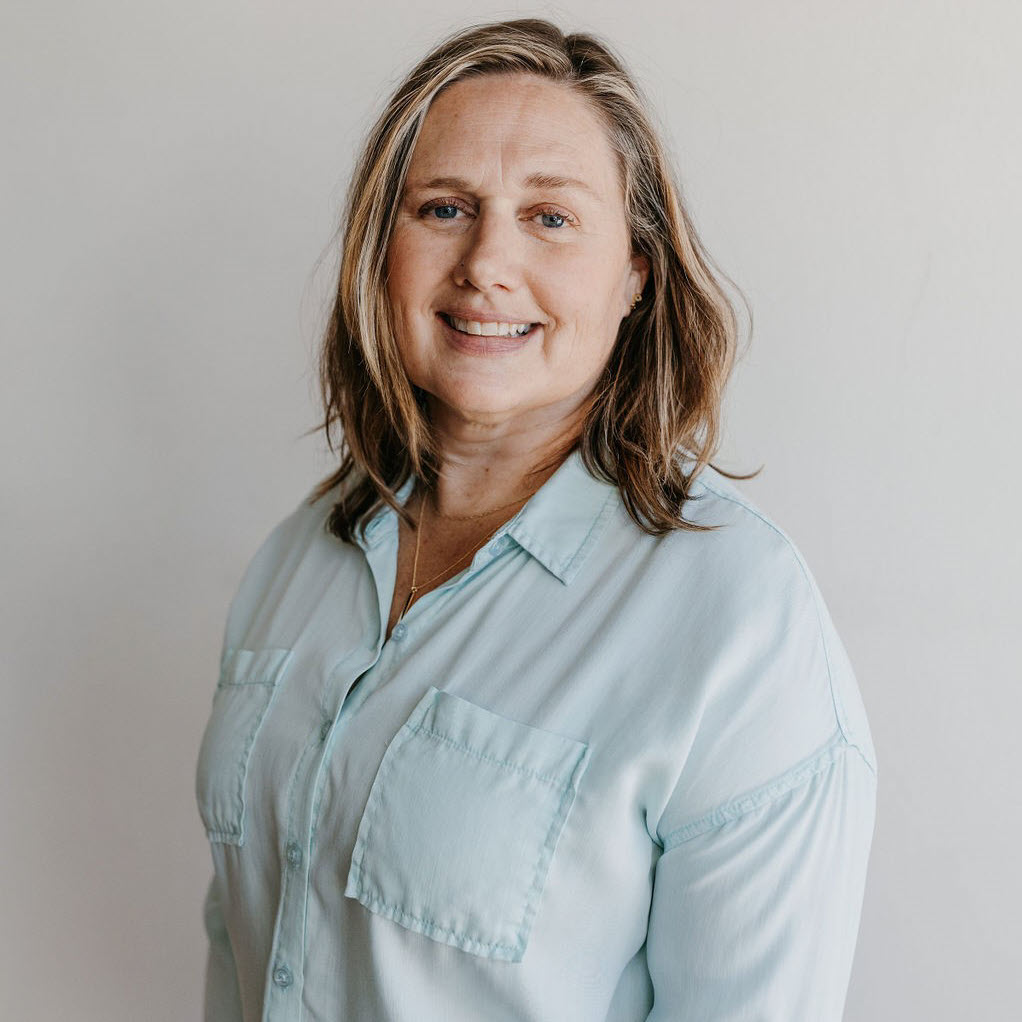
Megan Williams
Project Director
Megan Williams, M.P.H., RN, PHN, Program Director I at Advocates for Human Potential (AHP), is a results-driven, accountable professional with more than 20 years of experience developing, assessing, and improving public health programs that serve populations that have been made vulnerable. Ms. Williams is skilled at leading projects and promoting open communication involving multi-disciplinary teams, government agencies, diverse stakeholders, community members, and international organizations to advance public healthcare programs. She is also certified in group facilitation and strategic planning. As a licensed registered nurse (RN), Ms. Williams not only has clinical care experience in HIV/AIDS, behavioral health (BH), trauma, substance use disorder (SUD), maternal and child health (MCH) and other chronic diseases as a public health nurse she is well versed in social disparities of health (SDOH) and astute in assessment and surveillance and identifying health trends and risk factors. She has worked in primary care, behavioral health, home and community-based care, and hospital-based settings. Additionally, she is deeply knowledgeable in a variety of pharmacological and psychotherapy treatment modalities.
Ms. Williams received her master’s degree in public health (M.P.H.) from Boston University School of Public Health and her nursing degree from the Johns Hopkins University School of Nursing.

Brittany Blanchard
Research Associate
Brittany Blanchard, MPH, RN, is a Research Associate at AHP where she specializes in technical assistance, program evaluation, research, and community engagement for substance use disorder (SUD) initiatives. She brings expertise in mixed‑methods research and is committed to making evidence‑based practices in SUD treatment more accessible through practical, community‑focused resources.
Prior to her work in public health, Ms. Blanchard served as a bedside nurse in psychiatric and behavioral health settings, gaining direct patient care experience that continues to inform her public health perspective. She collaborates closely with a diverse range of partners, including individuals with lived substance use experience, treatment and recovery organizations, behavioral health providers, medical examiners, and grant funders. Her work emphasizes translating best practices into actionable strategies that support effective treatment and recovery efforts. Ms. Blanchard holds an M.P.H. with a concentration in Social and Behavioral Sciences from Temple University and is a registered nurse.”
Katie Crowley
Senior Program Associate
Katie Crowley is a senior program associate I at Advocates for Human Potential (AHP) with over four years of experience working on local, state, and federally funded programs. She has worked with a variety of organizations on behavioral health, integrated care, HIV care, community integration, and substance use disorders. Ms. Crowley has a background in policy development and is skilled in health promotion, helping skills in the healthcare field, and customer service. Prior to joining AHP, she had roles in hospital administration, state and federal governments, and a health and human services agency.
Ms. Crowley earned her Bachelor of Science degree in Behavior and Health, with a minor in Sociology, from Boston University’s Sargent College of Health and Rehabilitation Sciences. She is committed to advancing California Hub and Spoke SOR IV program initiatives to expand treatment and recovery support for individuals affected by substance use disorders.

Linda Frazier
Principal Consultant, Addictions Initiatives
Linda J. Frazier, B.S., M.A., RN, MCHES, is principal consultant and director of addictions initiatives at AHP. She has extensive leadership and consulting experience in public health policy and behavioral health clinical services at the state and national level. She has been a leader in improving quality and implementing research-based practices in organizations and systems for more than 35 years. Ms. Frazier’s work has included direct clinical services, operations management, executive coaching, consulting, and training in behavioral health and addictions. Ms. Frazier has executive coaching and consultation expertise in criminal justice, primary care, and behavioral health service settings. Additionally, Ms. Frazier has experience providing in person and virtual TTA on agency-level and large-level systems change/implementation of evidence-based practices with MOUD implementation, criminal justice, and behavioral health and primary care integration.
Before joining AHP, Ms. Frazier in Maine state government for 10 years and last served as associate director of treatment and recovery services and designated Single State Authority for the Maine Department of Health and Human Services Substance Abuse and Mental Health Services. Ms. Frazier has also served as a National Treatment Network representative for Maine and was responsible for supervision of the state opiate treatment authority and Women’s Services Network representatives. She is coauthor of a textbook and American Public Health Association policy statement on addressing historical disparities in access to MAT for OUD treatment.

Emily G. Gibeau
Senior Operations Manager
Emily G. Gibeau, M.P.H., is a senior operations manager at AHP. Her focus is operations and project management to increase networking and system-level communication for awarded MOUD provider sites. Ms. Gibeau is also the operations and project manager for the California Youth Opioid Response Project aimed at strengthening capacity and access to prevention, treatment, and recovery services, as well as access points to MOUD prevention and treatment for youth ages 16-24 years and their families in California.
Ms. Gibeau has more than 20 years of experience in public health, including as director of the Office of Operational Excellence and director of quality improvement and performance management for the Pennsylvania Department of Health. There, she led teams focused on accreditation and health equity, implemented Lean Six Sigma methodologies for quality improvement projects, monitored and tracked performance measures linked to strategic planning, and managed grants. Ms. Gibeau has also held roles as a program coordinator at the Temple University School of Medicine, at the Philadelphia Department of Public Health, and at Prevention Point, Philadelphia’s syringe access program. Her expertise includes program design and development, implementation, tracking and monitoring, reporting, and evaluation. Ms. Gibeau earned an M.P.H. from Temple University and holds certificates in Lean Six Sigma.

Olivia Hanna
Project Associate
Olivia Hanna is a government services professional with over five years of experience supporting federally funded programs, including initiatives in the states of Colorado and California. Olivia received her Bachelor of Science degree in Communication Sciences and Disorders and pursued the Speech-Language Pathology track, where she discovered her passion for helping vulnerable people at both the individual level and population level. Her expertise includes grants management, compliance monitoring, and client service delivery. Olivia is experienced in coordinating interdisciplinary teams to implement programs that improve access to housing, health, and recovery resources.
Olivia is committed to advancing California Hub and Spoke SOR IV program initiatives to expand treatment and recovery support for individuals affects by substance use disorders.

Tiffany Malone
Project Coach
Tiffany Malone, M.A., is a senior program manager at AHP. She brings two decades of experience to her role. Ms. Malone spearheaded the Mentored Internship Program under the DHCS BHWD efforts. As the Deputy Director, she provided strategic planning, oversight and management, and invaluable TTA to behavioral health organizations across California, aiding in the expansion of the state’s behavioral health workforce. With expertise in various training formats and extensive management experience, Ms. Malone is adept at driving performance and fostering growth within her teams.
Prior to her time at AHP, she provided behavioral support to families, specifically mothers with children diagnosed with autism spectrum disorder. Additionally, she is certified as a Master Life Coach and Cognitive Behavior Life Coach, along with being a certified 200-hour Yoga Instructor. Ms. Malone is deeply committed to advocating for maternal and infant health. Her dedication extends to her involvement with the African American Infant & Maternal Mortality (AAIMM) Village Fund, where she champions holistic wellness services for Black and Brown mothers. She actively addresses systemic issues contributing to maternal mortality rates among Black and Brown women in Los Angeles County. Ms. Malone has an M.A. in Teaching Applied Behavior Analysis from National University.
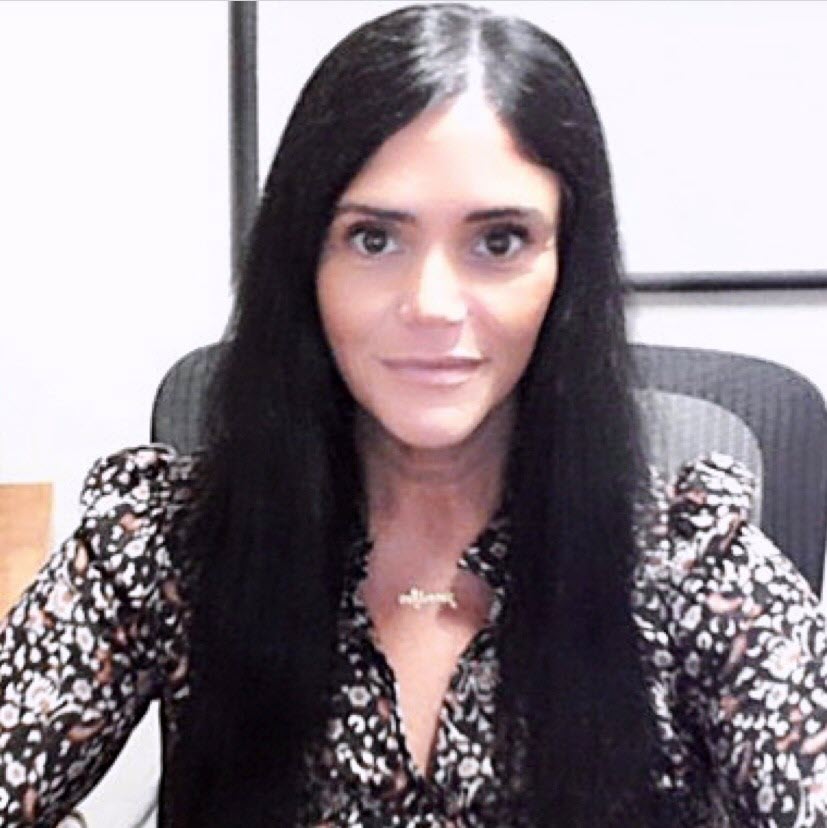
Jennifer Martinez
Senior Project Accountant
Jennifer Martinez, M.S., is a Senior Project Accountant at Advocates for Human Potential (AHP). With over 25 years experience in project management and accounting, Jennifer manages budget forecasting and planning for Hub & Spoke SOR IV, as well as several other key projects with California’s Department of Health Care Services (DHCS), including the Behavioral Health Continuum Infrastructure Program (BHCIP) and BOND Program, the Behavioral Health Workforce Development (BHWD) Program, the Crisis Care Mobile Units (CCMU), and Behavioral Health Justice Intervention Services (BHJIS).
Her responsibilities include monitoring budget costs and revenue, managing client billing, overseeing contract year spend-down, and providing financial analysis on project performance. She also manages the administration of over 2 billion dollars in passthrough funds, providing oversight on invoice processing, spenddown tracking, and ensuring funding compliance by both awarded grantees and the project. Additionally, she supervises and mentors accounting staff in both project and staff accounting roles.

Kaitlyn Miller
Program Assistant
Kaitlyn Miller is a program assistant for AHP. Ms. Miller has expertise in SUD, opioid use disorders (OUD), and cannabis policy research. She provides TTA on related projects. Ms. Miller has worked in several different sectors of public health and is experienced in qualitative data collection and reporting. Through her work with nonprofit organizations, she has experience in administrative work and outreach. Ms. Miller received her B.S. in health policy and administration from Pennsylvania State University and is currently pursuing her J.D. at Suffolk University School of Law.

Lydia Mudd
Senior Research Associate
Lydia Mudd is a senior research associate with the Innovation Department at Advocates for Human Potential, Inc. (AHP) with over eight years of experience consulting on federal and state behavioral health contracts. She is a passionate public health professional and researcher with expertise in substance use, mental health, risk behaviors, and policy. Skilled in research design, quantitative analysis, and translating complex data into actionable insights, she effectively communicates findings to diverse audiences.
She has worked extensively in AHP’s Center for Training, Technical Assistance, and Consulting (CTTAC) where she held key roles in large projects for the California Department of Health Care Services (DHCS) and the Substance Abuse and Mental Health Services Administration (SAMHSA) in which she honed her project management skills. She is dedicated to advancing public health through interdisciplinary collaboration, data-driven strategies, and accessible communication. Ms. Mudd received her Master of Public Health degree at the University of Colorado in 2023.

Joanna Prout
Senior Scientist
Joanna Prout, Ph.D., is a Senior Scientist at AHP. She has 20 years of experience working in applied research and evaluation to improve publicly funded health and behavioral health services with a focus on supporting health equity. She has led multiple evaluations of statewide opioid response efforts with a focus on collecting and using data to inform quality improvement. She has expertise in conducting evaluations that include input from communities, people receiving services, and program leadership and staff to provide recommendations to tailor and adapt evidence-based programs. For the SOR IV H&SS Program, Dr. Prout supports data collection and use to inform TTA and quality improvement. She has extensive experience supporting initiatives to reduce the impact of opioids and other substances.
Dr. Prout currently leads teams conducting interviews of interest holders and service recipients for the national evaluations of the Certified Community Behavioral Health Clinics – Expansion (CCBHC-E) and the Program Evaluation for Prevention- Contract (PEP-C). She has expertise in behavioral health, prevention, children and families, integration of services into school and community settings, opioid and substance use, health equity, and trauma-informed care. Dr. Prout frequently presents on innovative methods to capture and present data to support leadership in effective decision-making. She has an M.S.W. from the University of Pittsburgh and a Ph.D. in psychology from West Virginia University.
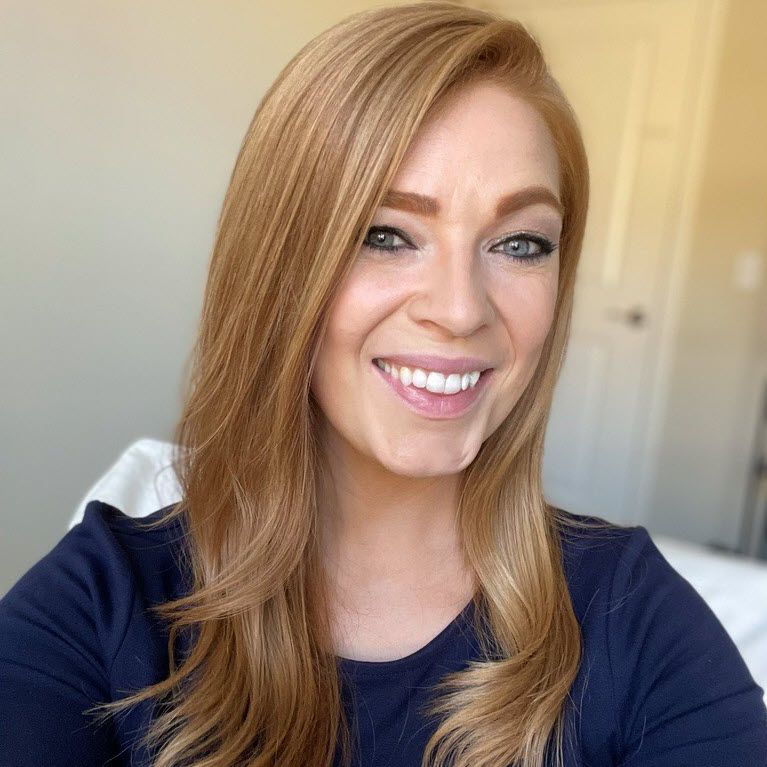
Caitie Storm
Senior Program Associate
Caitie Storm is a senior program associate at Advocates for Human Potential (AHP). Caitie currently provides quality assurance to Hub and Spoke, and serves on projects related to mobile crisis services and workforce development. Caitie studied international political economy as an undergraduate at Whitworth University and served 2 years as an AmeriCorps volunteer in Spokane, Washington, where she worked at an alternative high school program and community health clinic. Caitie continued pursuing her interest in addressing the needs of underserved communities and worked in the Executive Office and Public Health Department at the County of Riverside. Caitie holds a Ph.D. in economics and health promotion sciences and a master’s degree in public health from Claremont Graduate University.

Meghan Witthaus
Senior Operations Manager
Meghan Witthaus is a senior operations manager specializing in strategic communications at Advocates for Human Potential (AHP). She is a member of AHP’s Center for Technical Assistance, Training, and Consulting and works to infuse programs with strategic internal and external stakeholder communications that improve the impact and long-term sustainability of programs. Ms. Witthaus has a decade of experience delivering impactful communications, including content marketing, executive thought leadership, internal and external stakeholder communications, public relations, and social media.
She has worked with companies ranging from early-stage startups to multi-billion dollar, publicly traded companies with a core focus on mission-driven healthcare, life sciences, and technology brands leading the transformation of public health. She also has experience leading communications teams and managing external communications and marketing partners, including agencies and contractors. Ms. Witthaus earned her B.S. in marketing communications from Emerson College.
UCLA Integrated Substance Abuse Programs (ISAP) provides training, technical assistance, and implementation support through regionalized Learning Collaboratives and ongoing training and mentorship opportunities.
Aurrera Health Group manages Government Performance and Results Act (GPRA) data collection.
California Opioid Maintenance Providers (COMP) provides technical assistance, consultation, webinars, Learning Collaboratives, and affinity groups.
Project Staff - Coming Soon

Geoff Henderson
Project Director
Geoff is a senior program manager at AHP with more than 30 years of experience in addictions counseling. He is the former lead for Round 5 of the Behavioral Health Continuum Infrastructure Program (BHCIP) grant. Before joining AHP, Geoff was vice president for a statewide addiction and behavioral health agency and provided administrative leadership and program development for all in-custody programming and post-release reentry for a California county sheriff’s department. Geoff also served as associate professor in a human services drug treatment and mental health counseling occupational certificate program.

Susan DeSalvo
Susan is a senior program manager at AHP with more than 30 years of experience in nursing, healthcare education, grant coordination, and management. She has worked in the OUD/SUD field since 2015, when she spearheaded her local opioid coalition: SafeRx in Lake County, California. She then moved into the recovery side of the opioid crisis and helped to start seven grant-funded MAT programs, in addition to managing multiple SUD/OUD grants for Adventist Health Clear Lake. Susan has developed and implemented Healthy Lifestyle educational programs, workplace wellness programs, and assisted in bringing more than $25 million into Lake County to support behavioral health initiatives. She is also a preventive medicine activist, Healing Touch Certified Practitioner and Instructor, and owner of a fitness studio.

Emily Gibeau
Emily has twenty years of experience in the field of public health in a variety of settings. She held roles at the PA Department of Health including Director of the Office of Operational Excellence, and Director of Quality Improvement and Performance Management. She has held roles as a Program Coordinator at Temple University’s School of Medicine, at the Philadelphia Department of Public Health, and at Prevention Point Philadelphia’s syringe access program. Her experience in public health program coordination work includes program design and development, implementation, tracking and monitoring, reporting, and evaluation. She received a BFA Parsons School of Design and a BA from Eugene Lang College at the New School in New York City, earned a Master’s in Public Health from Temple University in Philadelphia, and holds certificates in Lean/Six Sigma.